27 Apr 2026
 Antimicrobial resistance (AMR) has become a serious global health problem. This public health issue affects resource-limited countries more severely than developed countries. Through ODIN project, the preliminary finding showing important extended spectrum beta-lactamase and carbapenemase producing Enterobacterales in Nanoro and Ouagadougou sites, even in drinking water, confirmed this observation.
To curve down AMR spreading, the World Health Assembly organized in May 2015, gave recommendations in a global action plan focusing on five objectives: (i) to improve awareness and understanding of antimicrobial resistance through effective communication, education and training, (ii) to strengthen the knowledge and evidence base through surveillance and research, (iii) to reduce the incidence of infection through effective sanitation, hygiene and infection prevention measures, (iv) to optimize the use of antimicrobial medicines in human and animal health, and (v) to develop the economic case for sustainable investment that takes account of the needs of all countries and to increase investment in new medicines, diagnostic tools, vaccines and other interventions.
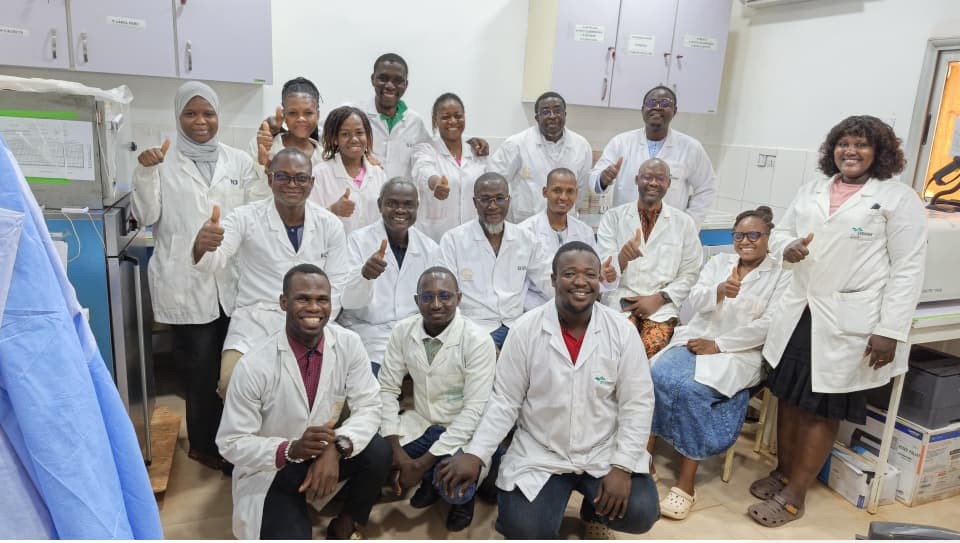
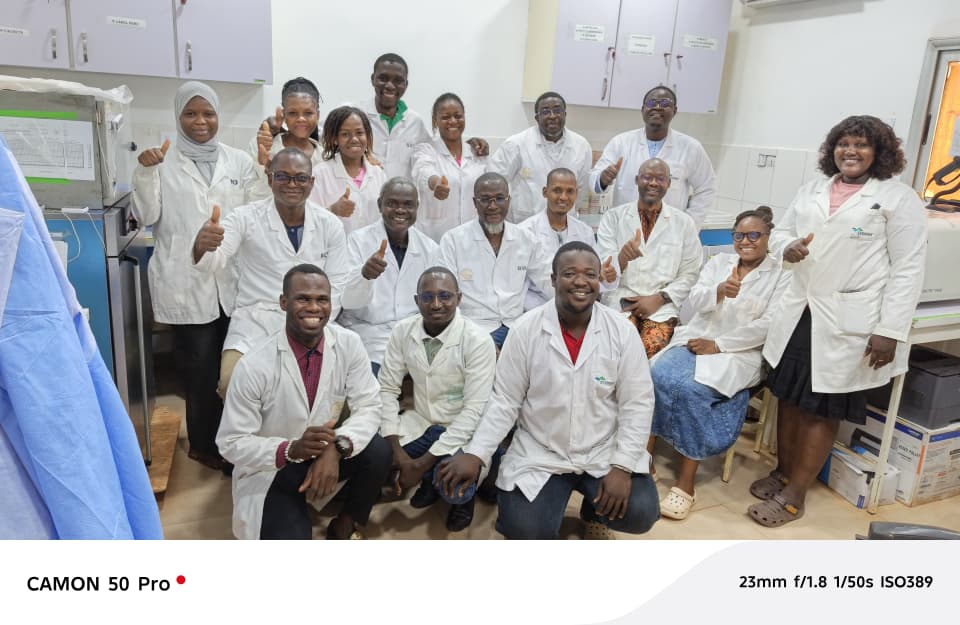
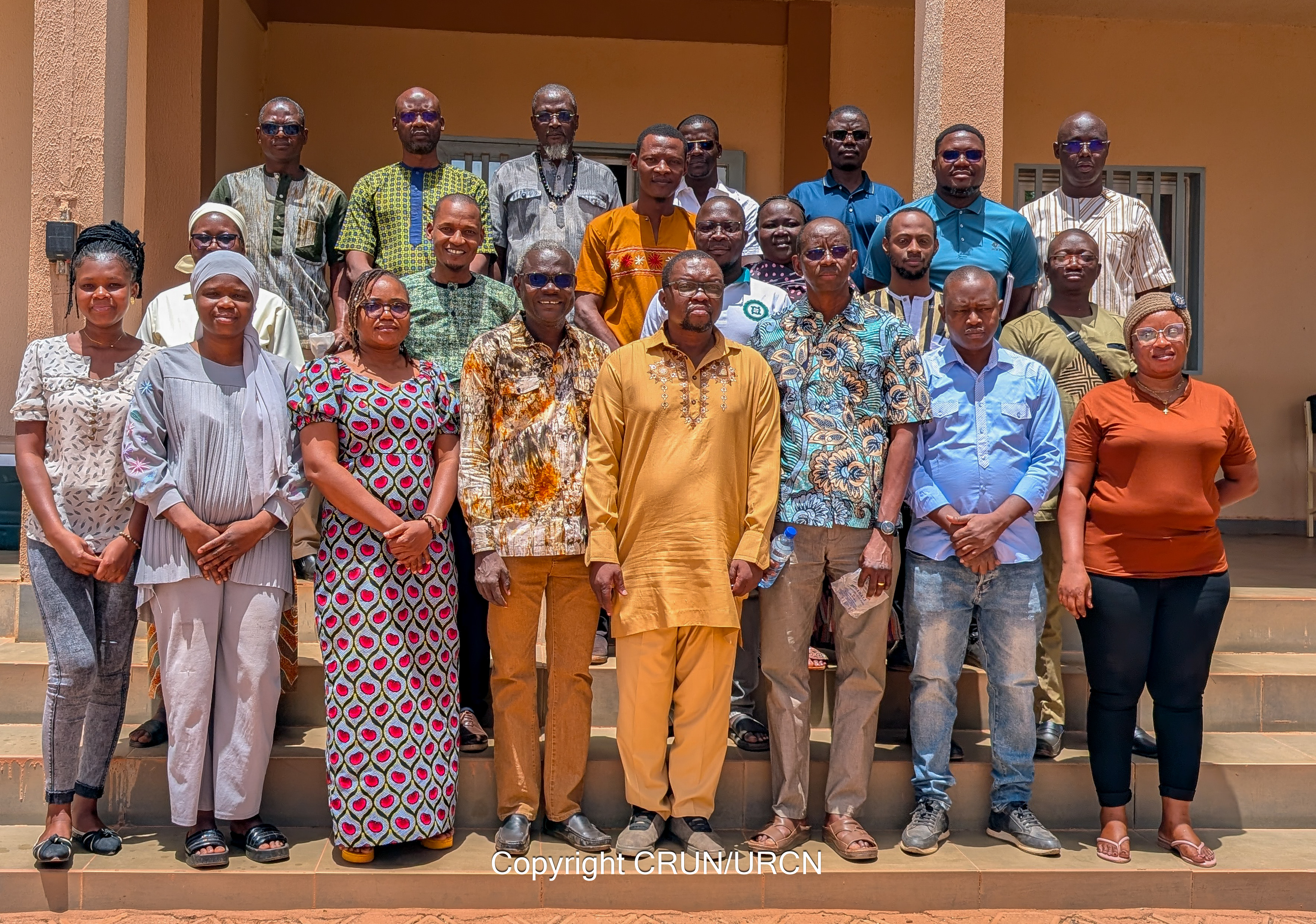
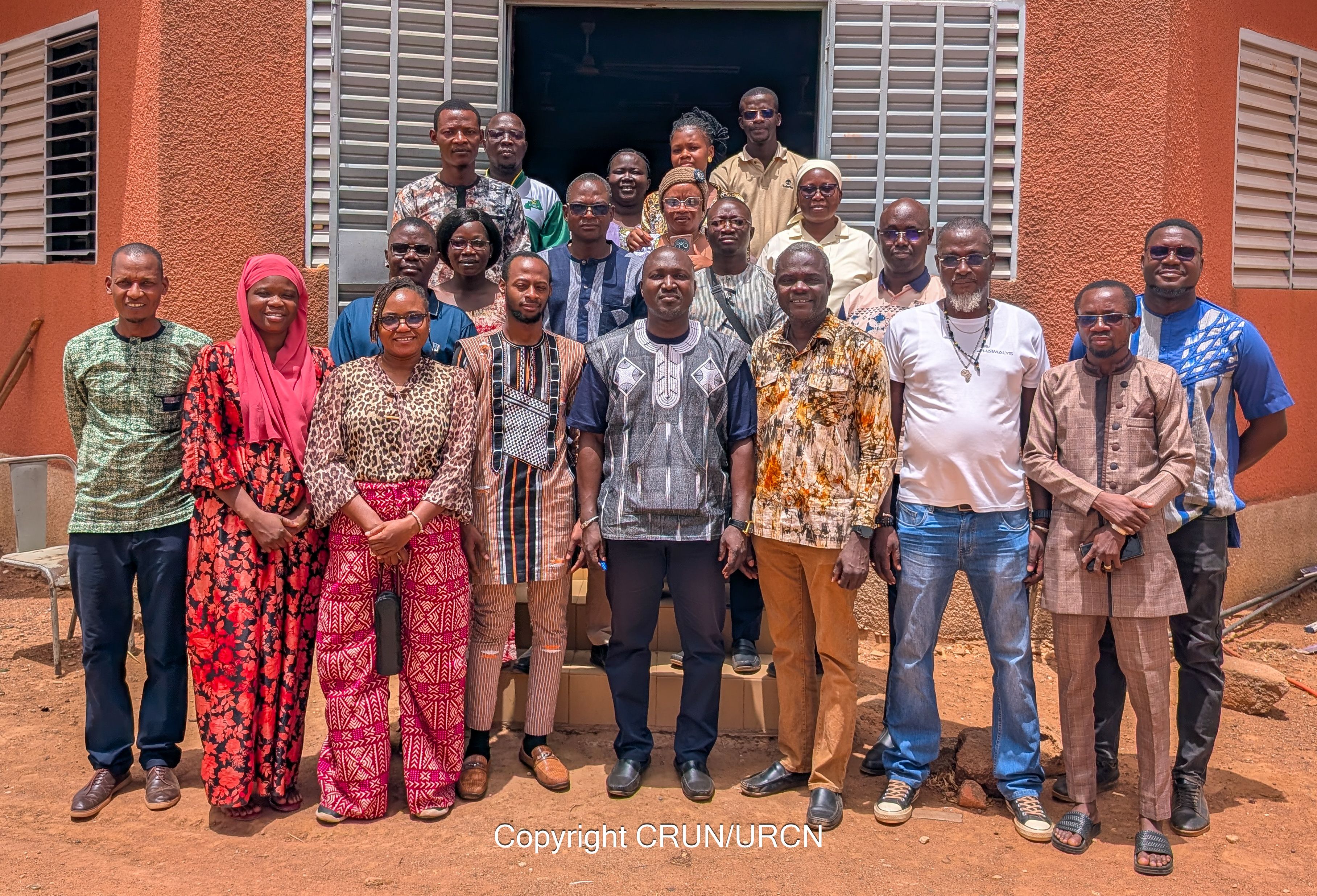
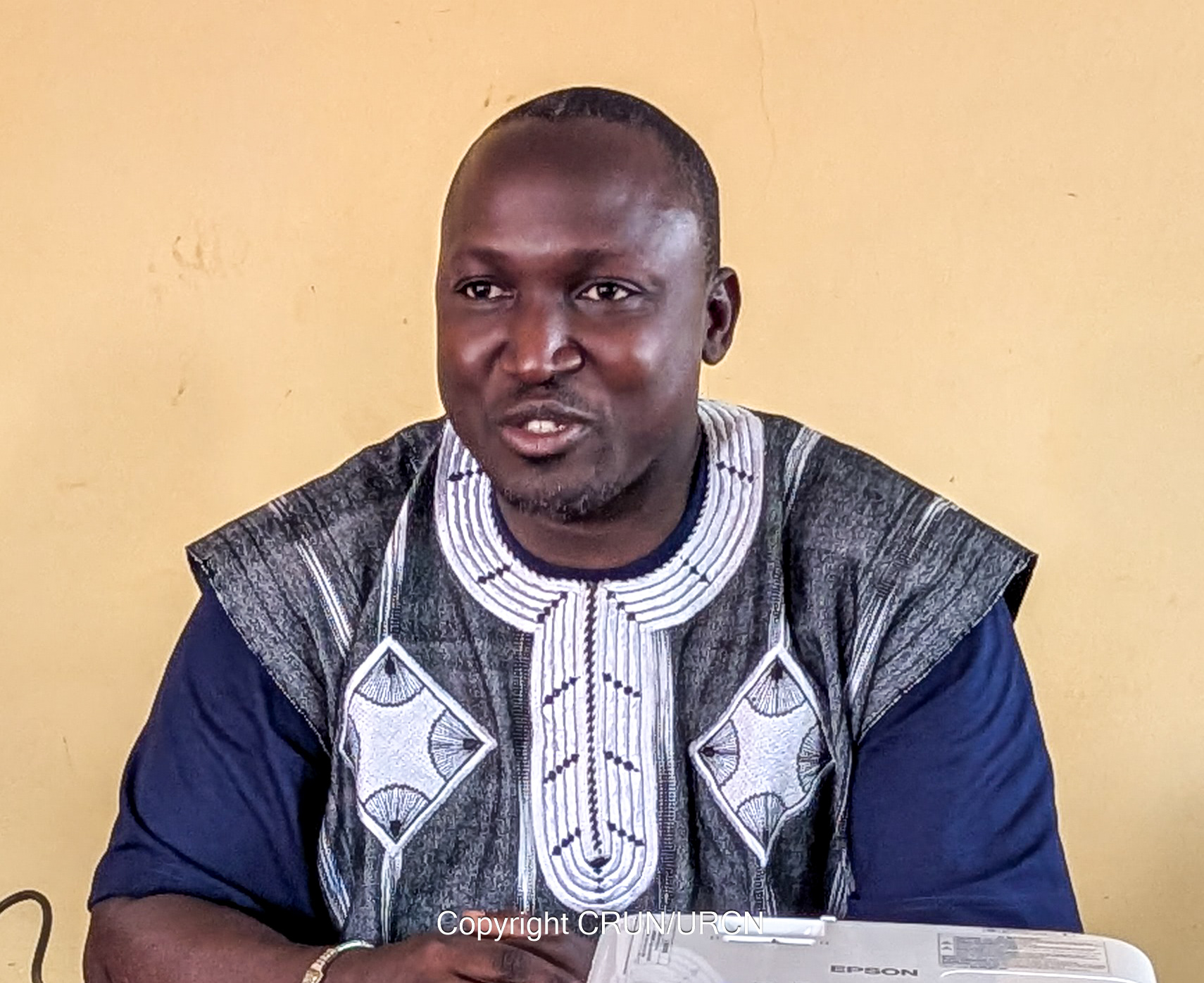
To comply with the objective (i) to (iv), Dr Palpouguini LOMPO, a TGHN Regional Coordinator for ODIN project, undertook, with the collaboration of the Institute of Tropical Medicine (ITM) Antwerp, a training on AMR.
Objectives
• To present the overview of the current status of antimicrobial resistance (AMR) worldwide;
• To present the extend of AMR problem in terms of the prevalence of microorganisms isolated from blood cultures and their resistance profile in the Nanoro health district;
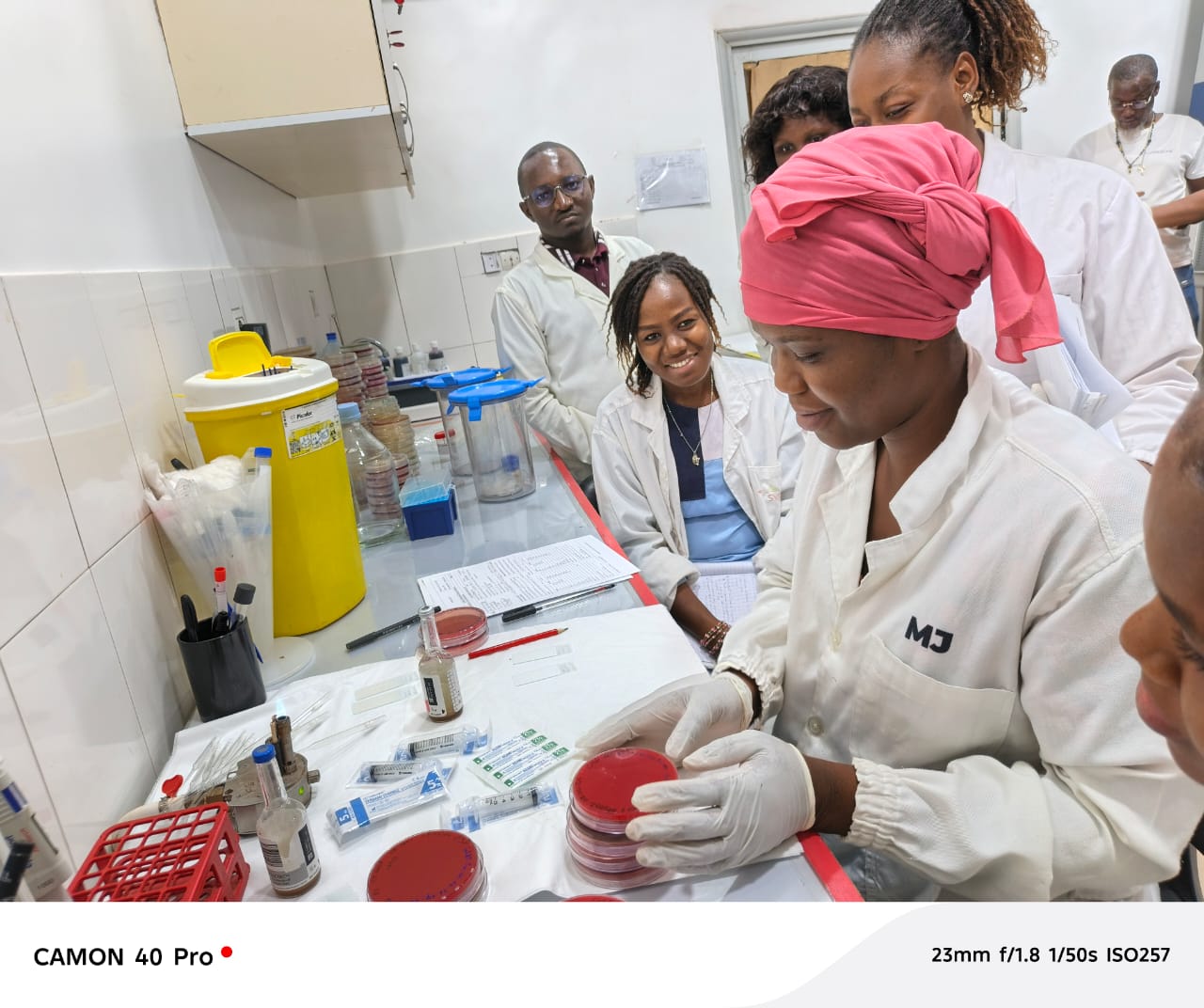
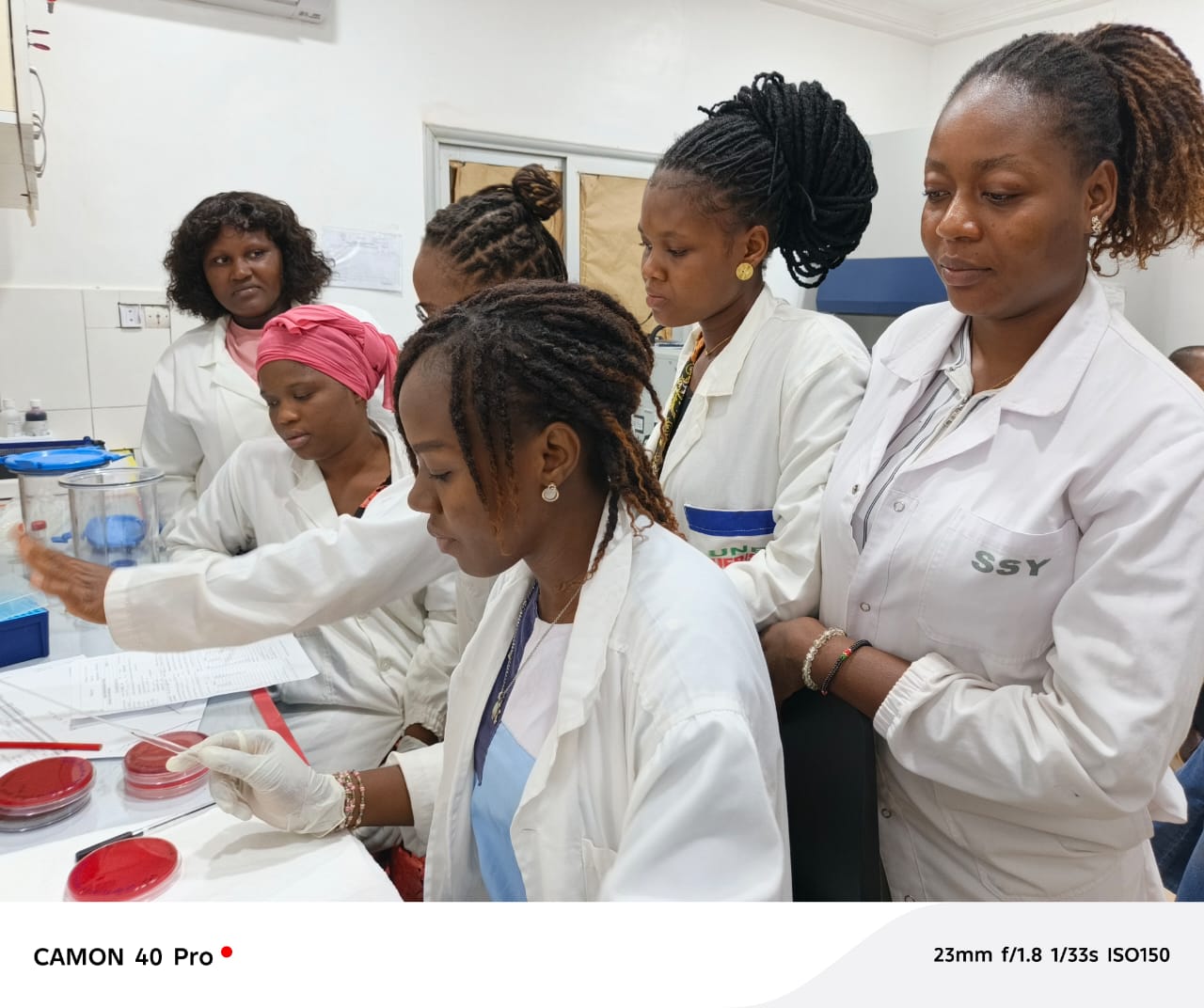
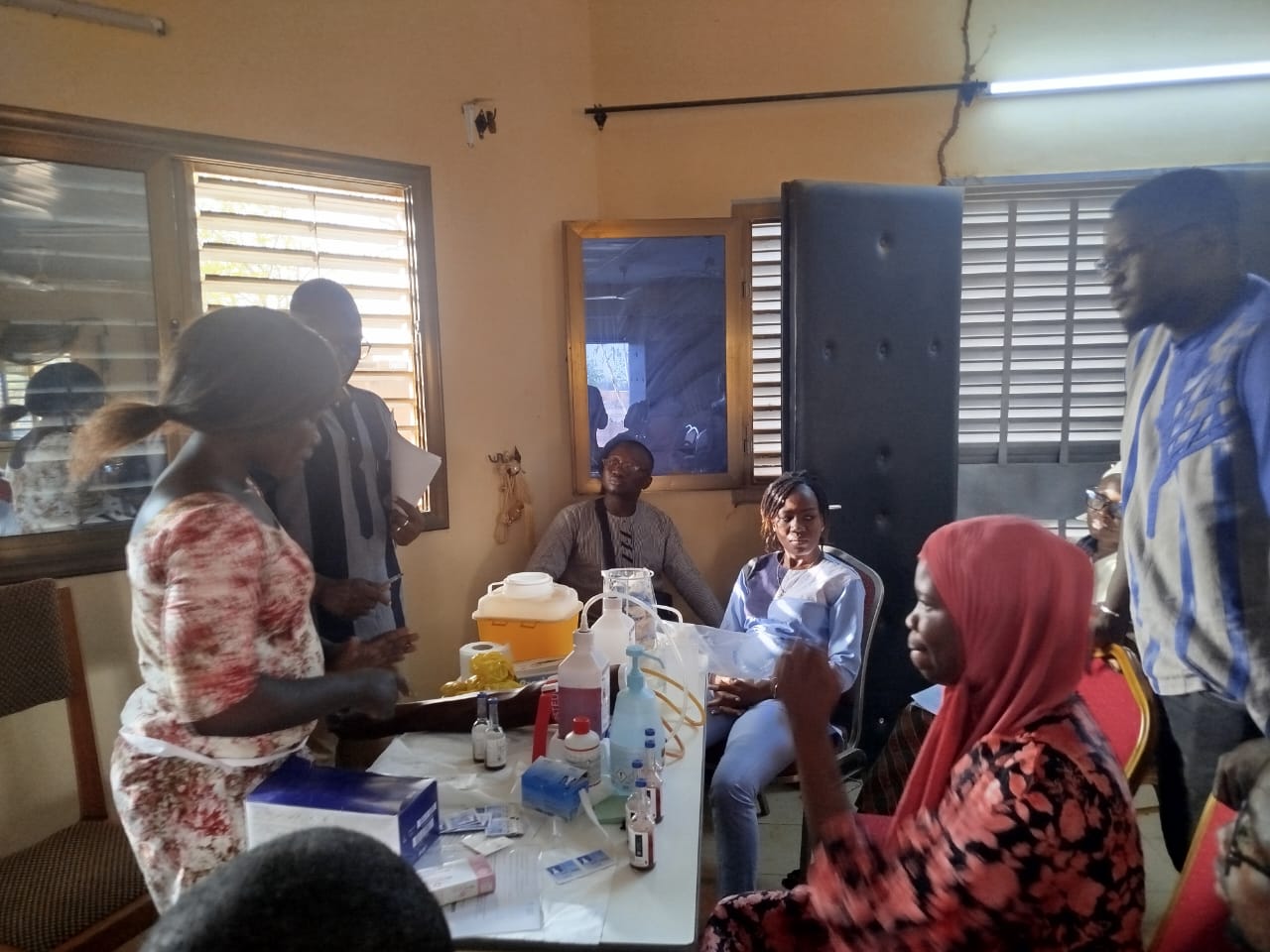
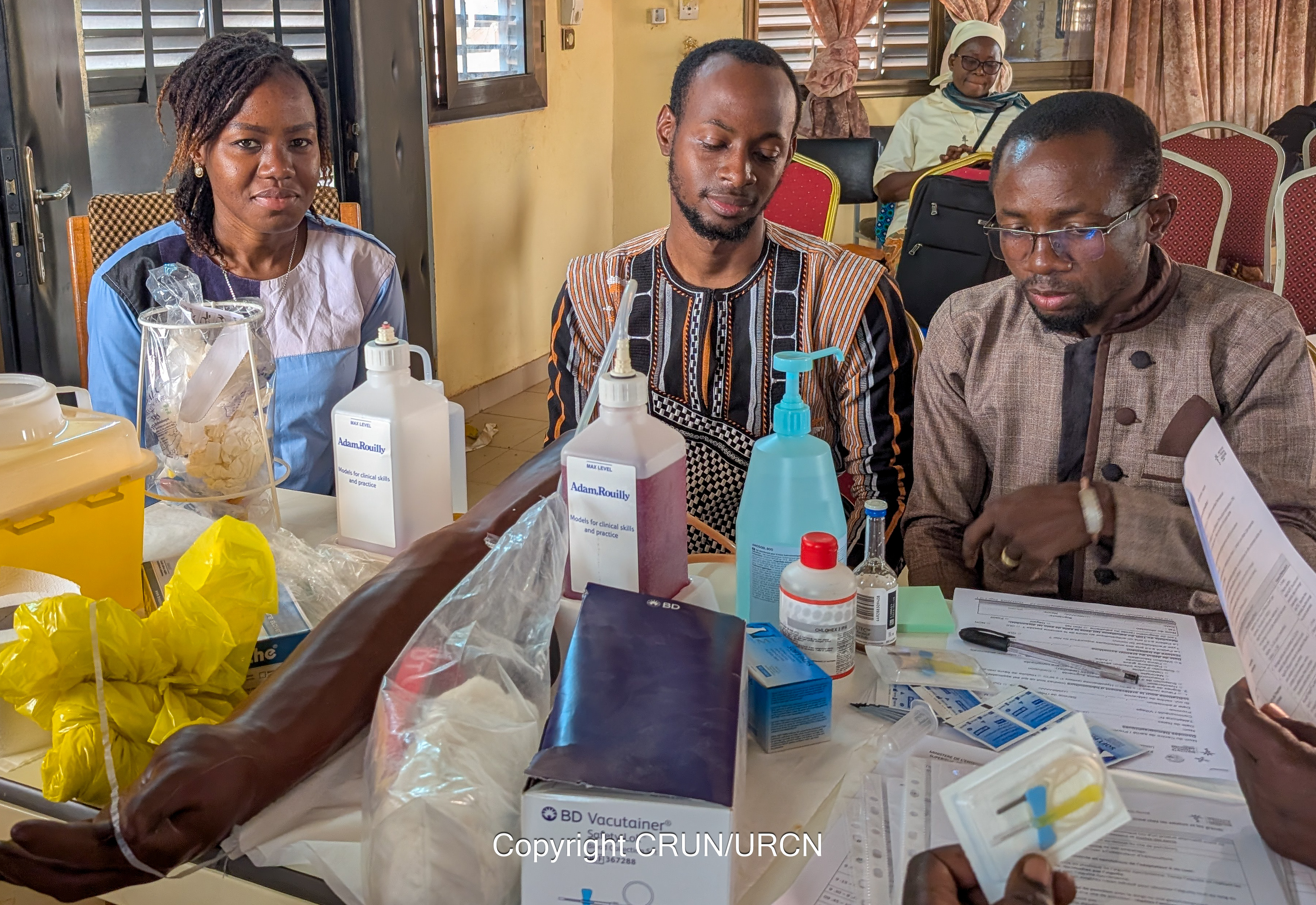
• To train healthcare workers in blood culture collection (theory and practice);
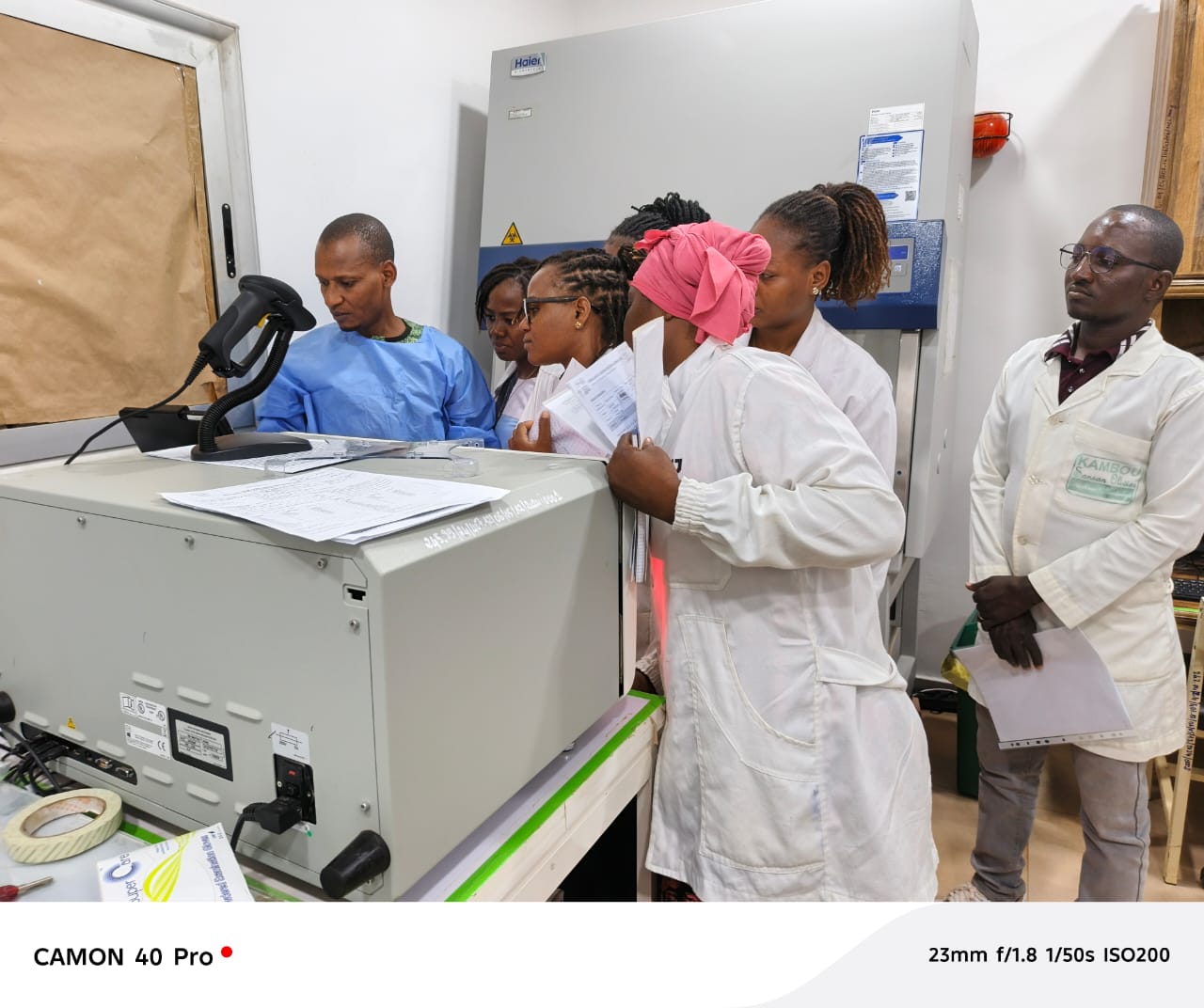
• To train the laboratory staff in blood culture work up
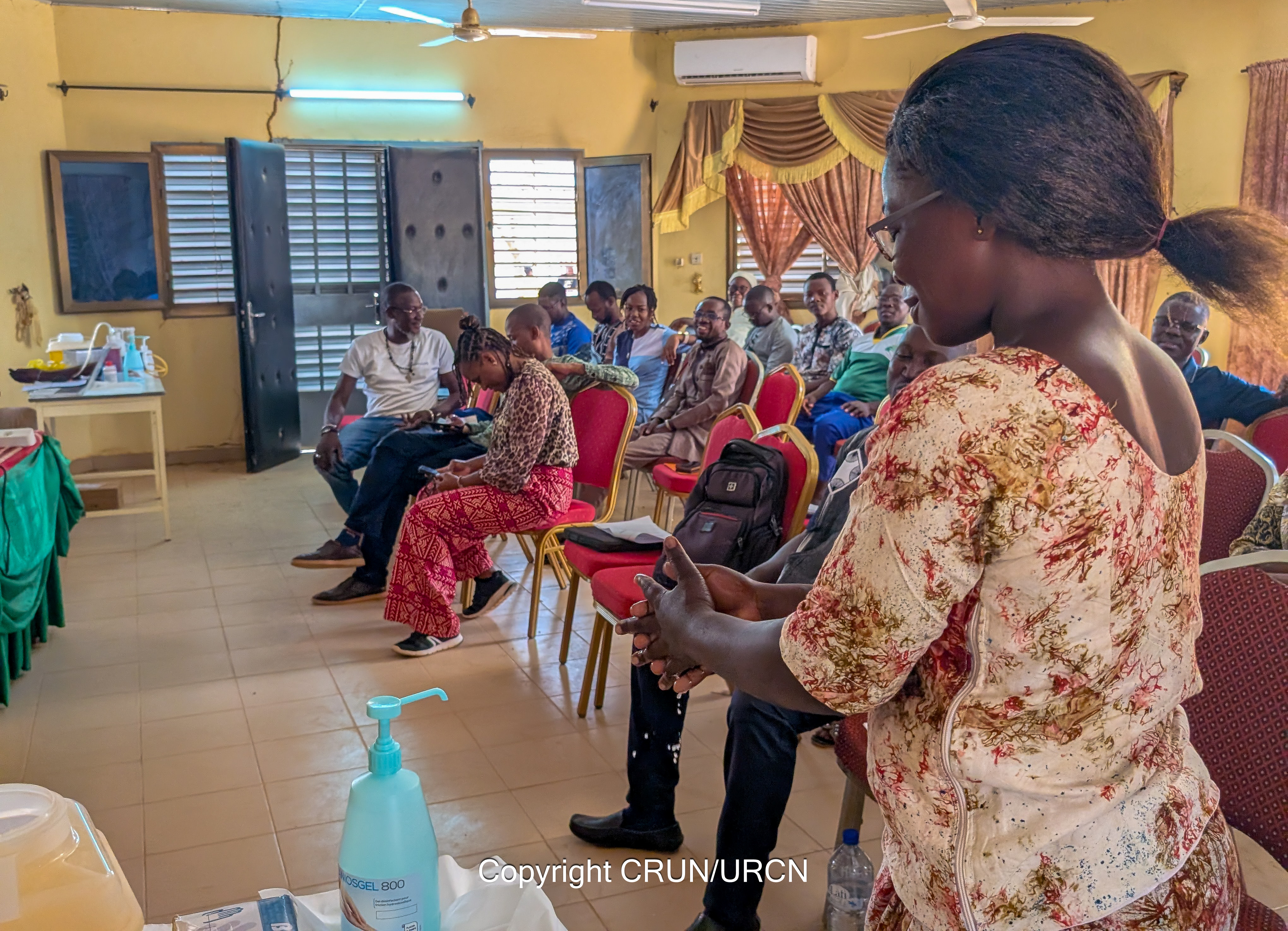
• To train healthcare workers in infection prevention and control
Methods
The training sessions combined theorical sessions (PowerPoint presentations of the context, the introduction of clinical bacteriology, the extend of AMR, and containment measures), infection prevention and control (healthcare surface cleaning and decontamination, and hand hygiene) and practical sessions (hand hygiene, blood culture sample collection and laboratory work up of blood cultures).
Click to view photo highlights
 |
 |
 |
 |
 |
 |
 |
 |
 |
 |
Please Sign in (or Register) to view further.