5 Jun 2026
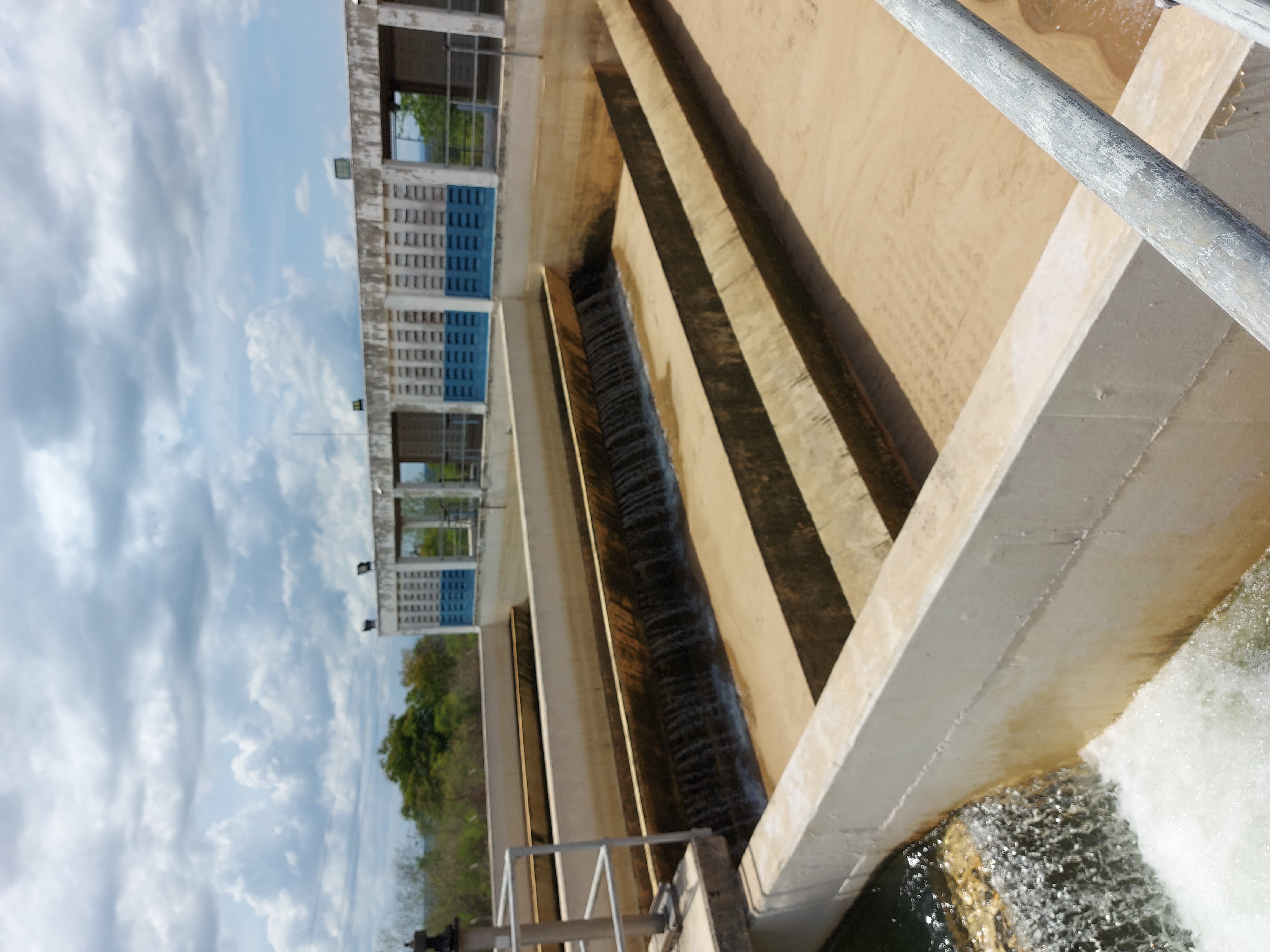
Ensuring access to safe drinking water remains a major public health challenge in many parts of sub Saharan Africa. The ODIN project WP5 is contributing to safer and more resilient water services by strengthening Water Safety Plans (WSPs) and Sanitation Safety Plans (SSPs). The work is conducted through collaboration of ODIN consortium partners from Burkina Faso (CNRST/IRSS-Clinical Research Unit of Nanoro), DRC (Université of Kinshasa) and Tanzania (National Medical Research Institute) with support from the WSP and SSP experts from Finnish Institute for Health and Welfare (THL, Finland) and National Institute for Public Health and the Environment (RIVM, The Netherlands). The engagement of national institutions, water utilities, regulators, and local stakeholders has been crucial in this work.
Knowledge to support this work has been gathered through country‑specific stakeholder workshops, systematic reviews of existing Water Safety Plan and Sanitation Safety Plan documents, and continuous dialogue with actors across the water and environmental sectors. These activities have enabled a shared understanding of current practices, gaps and opportunities for improvement in different national contexts (Milestone 5.3. First drafts of the water and sanitation safety plans (WSP, SSP) drafted and the information needs identified).
Water Safety Plans provide a preventive, risk‑based framework for managing drinking‑water quality from source to consumer. Rather than reacting to contamination events, WSPs focus on identifying hazards, assessing risks and implementing control measures throughout the entire water‑supply chain. Complementarily, Sanitation Safety Plans (SSPs) apply a similar risk-based approach to sanitation service chains, addressing risks from containment to reuse or disposal. This approach is widely recognized as one of the most effective ways to reduce waterborne disease and protect public health.
From surveillance to action: ODIN's enhanced value
The ODIN project's main innovation is the integration of environmental and wastewater surveillance data with operational water and sanitation risk-management systems. Across Burkina Faso, the Democratic Republic of the Congo and Tanzania, WSP approaches are increasingly applied in urban water‑supply systems, supported by utilities and regulators. ODIN findings in milestone 5.4 (WSP and SSP content updated and QMRA initiated based on the results from the 1st sampling round) highlight critical gaps, particularly in rural and small-scale systems, where formal WSP/SSP implementation remains limited despite high exposure to environmental and fecal contamination risks. Addressing this requires simplified tools, strengthened capacity and closer engagement with local communities.
Combining environmental surveillance and risk assessment
By linking monitoring results to Water Safety Plans, stakeholders are better equipped to prioritize actions such as improving treatment performance or introducing additional protective barriers when risks increase. It is essential to note that Quantitative Microbial Risk Assessment (QMRA) for Vibrio cholerae was applied to translate environmental measurements into actionable public health risks. In Tanzania, QMRA illustrated the potential of surveillance data to inform treatment requirements and establish acceptable risk thresholds in various scenarios. However, more data is needed to improve the application of QMRA. This indicates an evolution from descriptive monitoring to predictive and decision-oriented risk management, which facilitates scenario-based planning and prioritization.
Towards data-driven water and sanitation safety systems
Overall, the project demonstrates how Water Safety Plans and Sanitation Safety Plans (SSPs) can function as practical, living tools that connect data, risk assessment and operational decision‑making laying the foundation for safer drinking water and improved public health.
ODIN improves early warning capabilities and facilitates proactive public health interventions by integrating environmental and wastewater surveillance into these frameworks, especially valuable for environments where clinical surveillance is poor.
This method is consistent with the primary goal of ODIN to enhance the preparedness for waterborne disease outbreaks and complement traditional public health monitoring by strengthening environmental surveillance systems.
Please Sign in (or Register) to view further.